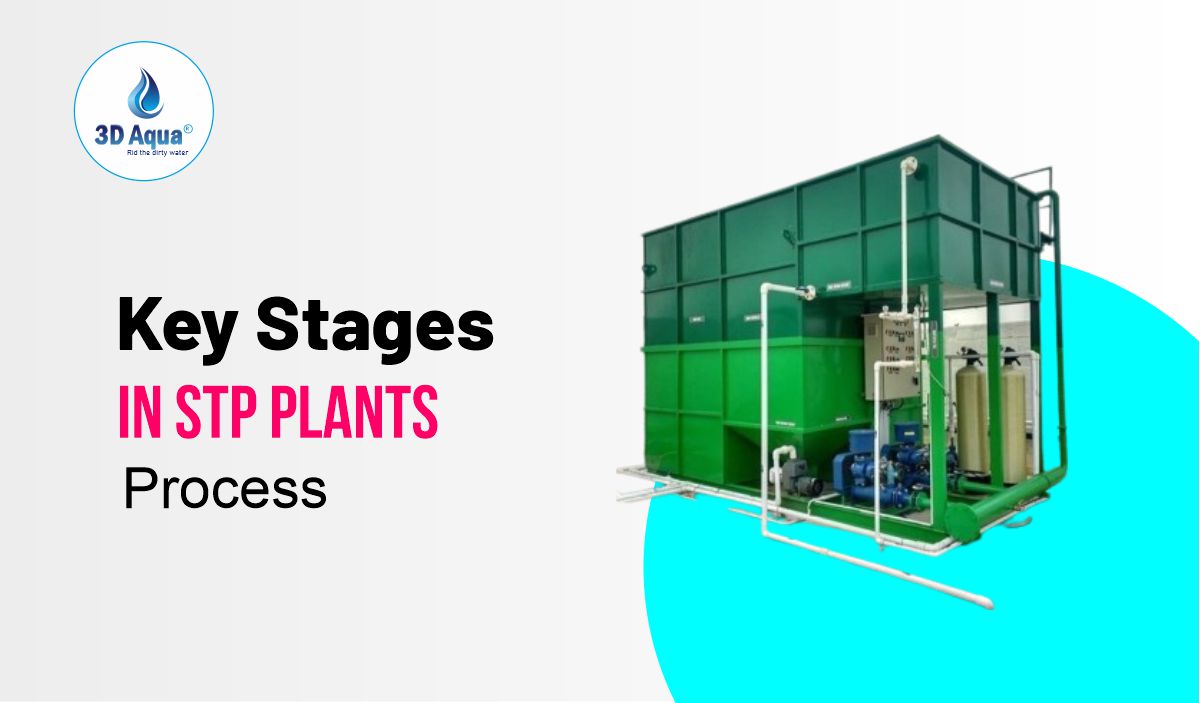
Sewage Treatment Plants (STP): Function, Operation, and Where to get it

Sewage Treatment Plants (STP): Function, Operation, and Acquisition

Understanding Sewage Treatment Plants (STP): Function, Operation, and Acquisition Introduction Sewage Treatment Plants (STPs) are essential infrastructure components in modern sanitation systems. They play a crucial role in managing and treating wastewater from residential, commercial, and industrial sources before it is released back into the environment or recycled for further use. With increasing urbanization and … Read more

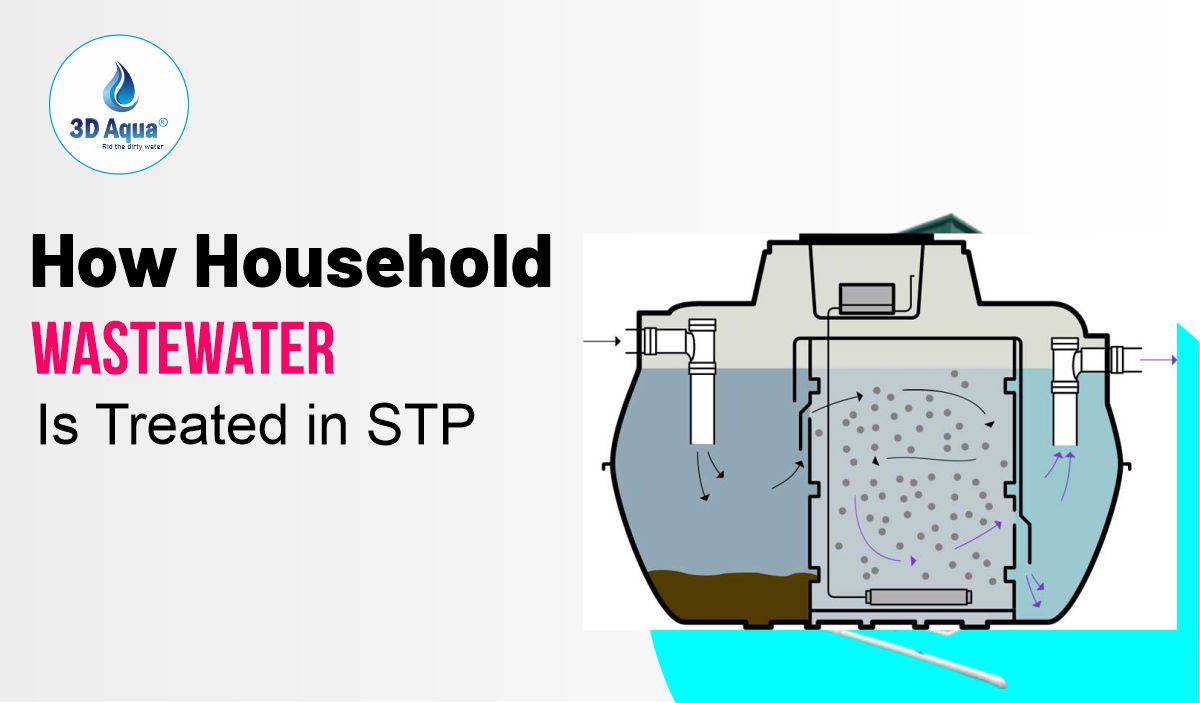
What Are Sewage Treatment Plants: How Do They Function?

What Are Sewage Treatment Plants

Sewage treatment plants (STPs) are a cornerstone of modern sanitation infrastructure. They are designed to treat and manage wastewater generated by households, commercial facilities, and industries. Without effective sewage treatment, harmful pathogens, organic pollutants, and hazardous chemicals could contaminate natural water bodies, leading to widespread public health concerns and environmental degradation. This comprehensive guide explores … Read more

Difference Between BOD and COD in Wastewater Treatment

Difference Between BOD and COD

In the field of wastewater treatment, two crucial indicators are used to assess the organic pollution load in sewage: Biological Oxygen Demand (BOD) and Chemical Oxygen Demand (COD). These parameters help determine the oxygen-demanding strength of wastewater, giving engineers and operators a clear understanding of how polluted the water is and how much treatment is … Read more

Best STP Plant Manufacturer for the Food Industry

STP Plant Manufacturer for the Food Industry

In the food industry, efficient wastewater management is critical not only for regulatory compliance but also for maintaining operational efficiency and environmental sustainability. The processing and production of food generate significant volumes of wastewater that often contain organic matter, fats, oils, and grease, along with various contaminants from cleaning processes and product residues. To address … Read more

How Clarifiers Improve Sewage Treatment Plant Efficiency

How Clarifiers Improve Sewage Treatment Plant Efficiency

Clarifiers are a core component of effective sewage treatment systems. Their primary function—separating solid waste from liquid—might seem simple, but it significantly impacts the efficiency and success of the entire treatment process. By allowing heavier solids to settle and letting clearer water flow onward, clarifiers enable a smoother and more consistent operation. Modern sewage treatment … Read more

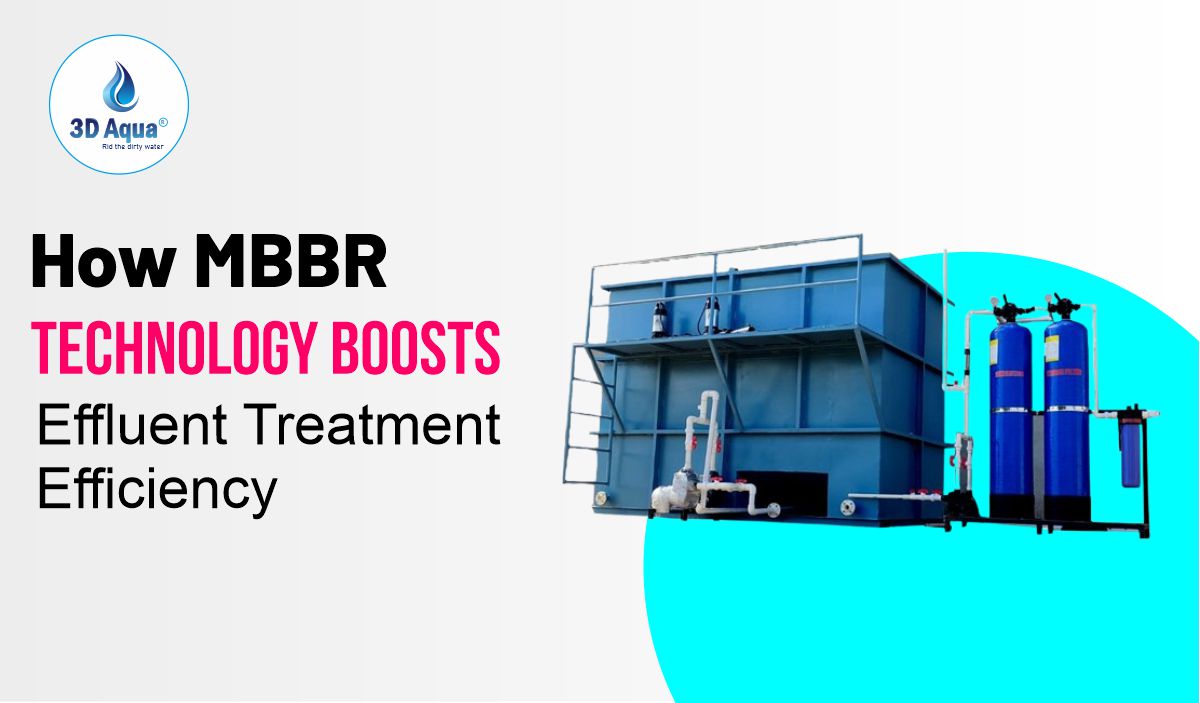
Top Benefits of MBR Technology in Effluent Treatment Plants

Top Benefits of MBR Technology in Effluent Treatment Plants

As global water demand increases and environmental regulations tighten, Membrane Bioreactor (MBR) technology is becoming the go-to solution for modern effluent treatment plants (ETPs). Combining conventional biological treatment with advanced membrane filtration, MBR offers a compact, efficient, and high-performance wastewater treatment process. It helps industries and municipalities achieve exceptional water quality, minimize environmental footprint, and … Read more

Role of Aeration Tanks in STP Plant Operations

Role of Aeration Tanks in STP Plant Operations

In the realm of sewage treatment, aeration tanks serve as the engine room of the biological treatment process. These tanks play a vital role in transforming untreated sewage into safe, reusable water. By introducing oxygen into the wastewater, aeration tanks empower beneficial microorganisms to efficiently break down organic pollutants and harmful substances. At 3D Aqua … Read more

Role of Chemical Treatments in Effluent Treatment

What Role Do Chemical Treatments Play in Effluent Treatment Processes

Effluent treatment is a critical aspect of responsible industrial and municipal operations. As the volume and complexity of wastewater continue to grow due to rapid industrialization, effective treatment processes are more important than ever. While biological treatments play a key role in breaking down organic matter, chemical treatments are essential for removing contaminants that cannot … Read more

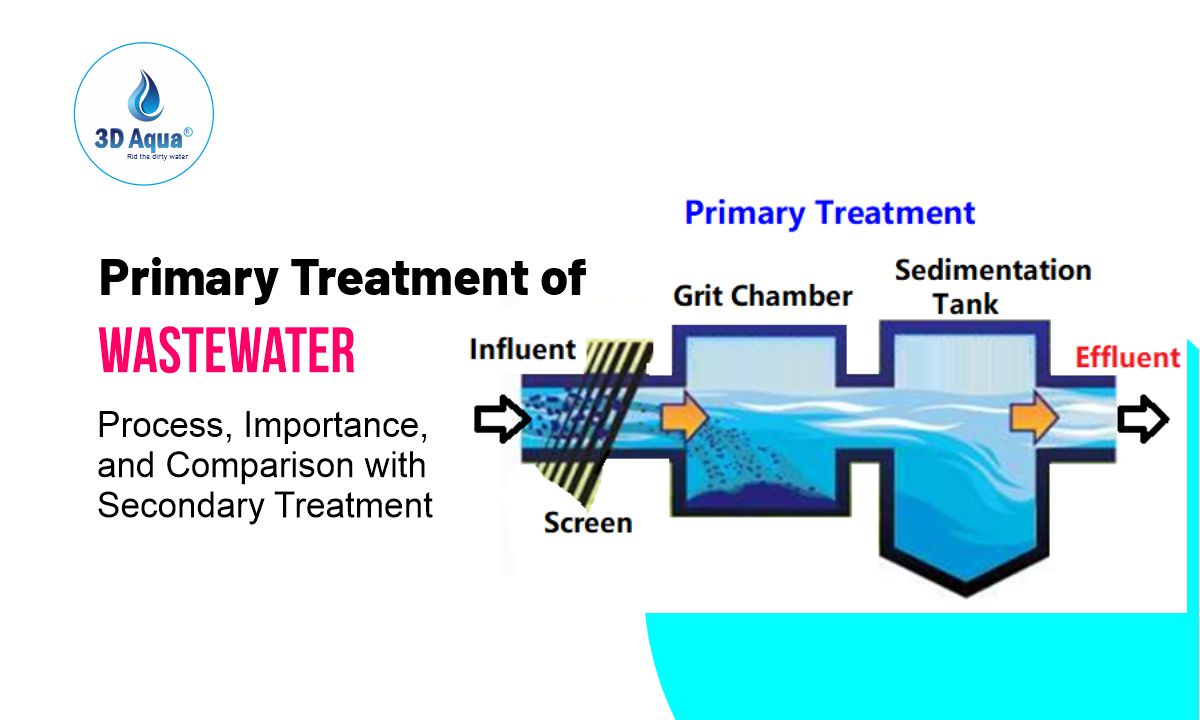
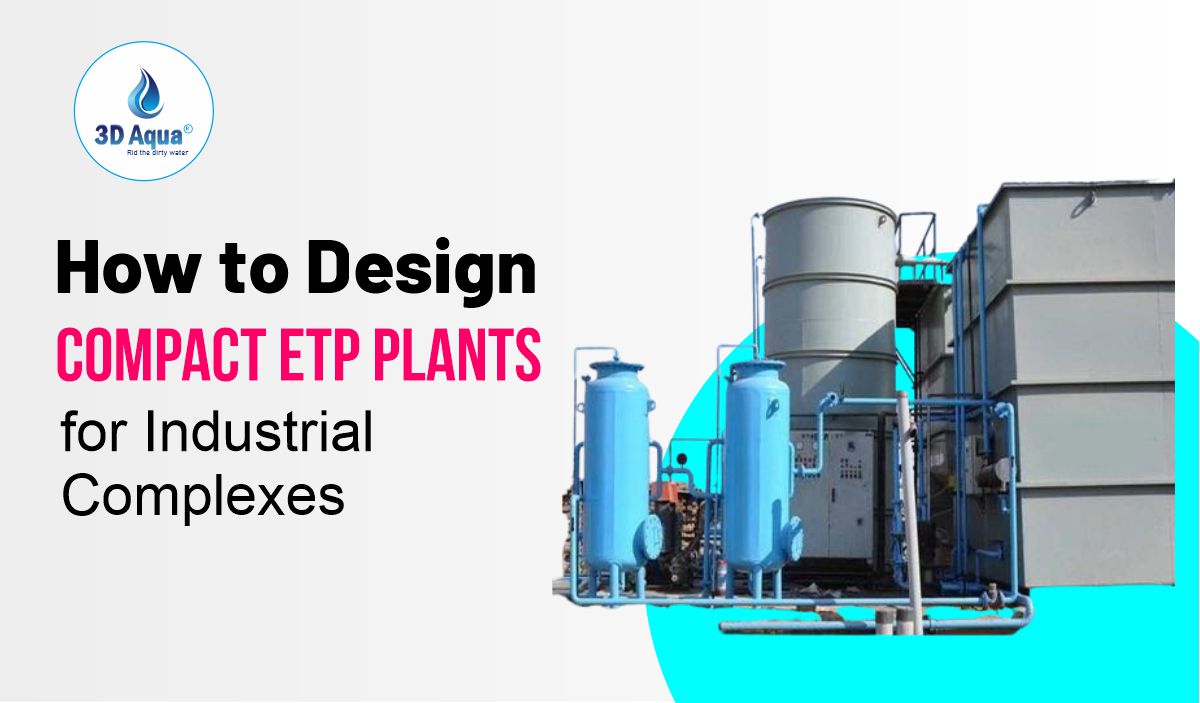
How Do Primary and Secondary Treatments Differ in ETP & STP Plants?

How Do Primary and Secondary Treatments Differ in ETP & STP Plants

Effluent Treatment Plants (ETPs) and Sewage Treatment Plants (STPs) are critical infrastructures that help safeguard human health and the environment by removing harmful contaminants from wastewater before it’s released into natural water bodies or reused. As a leading manufacturer of wastewater treatment systems, 3D Aqua Water Treatment Company provides advanced and customizable solutions tailored to … Read more

How Coagulation and Flocculation Improve Effluent Treatment

How Coagulation and Flocculation Improve Effluent Treatment

Effluent treatment is a vital process for industries and municipalities aiming to discharge wastewater responsibly or reuse it efficiently. Among the various stages involved in an Effluent Treatment Plant (ETP), coagulation and flocculation are two crucial chemical processes that greatly enhance the removal of suspended solids, organic matter, pathogens, and even heavy metals. These processes … Read more